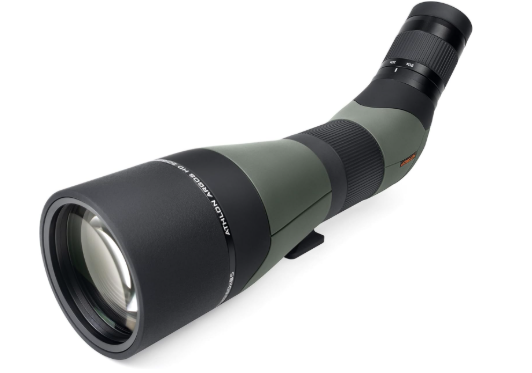
This is our comprehensive analysis of the 7 Best Spotting Scopes for Wildlife Viewing. Bird watching often involves observing subjects that are too far away for the naked eye to reveal meaningful detail.
A quality spotting scope bridges that distance, allowing you to study birds, wildlife, and natural landscapes with considerably more magnification than standard binoculars. Whether you are watching waterfowl across a lake, identifying raptors soaring overhead, or studying small birds high in the trees, the right scope can make distant subjects much easier to recognize.
Choosing the 7 Best Spotting Scopes for Wildlife Viewing, however, involves more than looking at the maximum magnification printed on the box. Optical clarity, objective diameter, focusing controls, field of view, weather protection, weight, and tripod stability all influence real-world performance.
Some scopes are designed for demanding enthusiasts who want exceptional image quality, while others are better suited to beginners who want an affordable introduction to long-distance viewing.
7 Best Spotting Scopes for Wildlife Viewing
Below are the 7 Best Spotting Scopes for Wildlife Viewing that cover different levels of performance and budgets, from sophisticated premium systems to practical entry-level choices.
1. Athlon Optics Argos HD 20-60×85 Spotting Scope
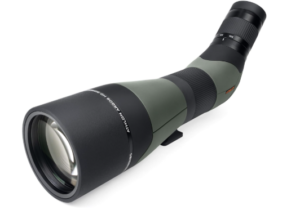
The Athlon Optics Argos HD 20-60×85 Spotting Scope stands out with its combination of a large objective and versatile zoom range.
An 85mm objective is useful when you need additional light-gathering ability, particularly when wildlife is active around sunrise or sunset. The 20-60x range also provides flexibility for different observation distances.
At 20x, you can use a broader field of view to locate a bird. Once you have found the subject, increasing the magnification can help you inspect its features more closely. This makes the scope suitable for open habitats where birds may be hundreds of yards away.
The trade-off is portability. An 85mm spotting scope is not something most people will want to carry casually without a plan. A sturdy tripod and carrying solution are therefore important additions.
Features
- 20-60x zoom
- 85mm objective
- HD optical system
- Large light-gathering aperture
- Designed for long-distance observation
- Suitable for wildlife and birding
Pros
- Excellent reach
- Large objective
- Versatile magnification
- Good value for its class
Cons
- Relatively heavy
2. Vortex Diamondback HD Spotting Scope 16-48×65 Angled
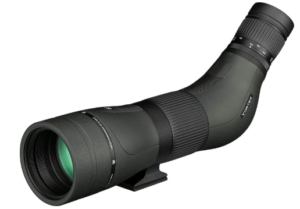
The Vortex Diamondback HD Spotting Scope 16-48×65 Angled is a practical choice for birders who don’t want the size and weight associated with large-aperture spotting scopes.
Its 65mm objective keeps the system relatively manageable while still providing enough light gathering for general daytime birding. The 16-48x magnification range is also well suited to everyday wildlife observation.
The lower 16x setting is useful for scanning an area and finding birds, while 48x gives you additional magnification when the subject is farther away. This makes it particularly useful for people who regularly walk between different observation locations.
Its angled design works well on a tripod and can be comfortable during extended viewing sessions.
Features
- 16-48x magnification
- 65mm objective
- HD optical system
- Angled body
- Waterproof and fogproof construction
- Relatively portable design
Pros
- Easy to transport
- Versatile magnification
- Good value
- Good general-purpose performance
Cons
- Not designed for extreme low-light viewing
3. Nikon Monarch FIELDSCOPE 60ED-S W/MEP-20-60
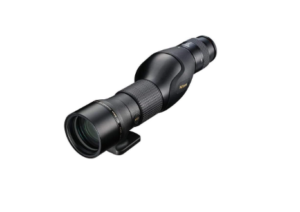
For birders who consider carrying comfort a major priority, the Nikon Monarch FIELDSCOPE 60ED-S W/MEP-20-60 deserves serious consideration.
Its smaller objective makes it more convenient to transport than many of the larger models on this list. This can be especially useful for birders who spend hours walking through nature reserves, forests, parks, or other locations where carrying a large scope becomes tiring.
The ED optical design helps produce a cleaner image by reducing distracting color fringing. Combined with its 20-60x eyepiece, the scope provides enough magnification for many everyday birding situations.
The compromise is that its smaller objective cannot gather as much light as the 80mm, 85mm, or 88mm scopes. For daytime birding, however, that may be an acceptable trade-off in exchange for easier transportation.
Features
- 60mm-class objective
- ED optics
- 20-60x eyepiece
- Compact design
- Suitable for mobile observation
- Nikon optical engineering
Pros
- Portable
- Easier to carry
- Useful magnification
- Good daytime performance
Cons
- Not as powerful as large premium scopes
4. Bushnell Trophy Xtreme 20-60×65 Waterproof Spotting Scope
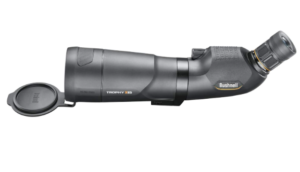
The Bushnell Trophy Xtreme 20-60×65 Waterproof Spotting Scope is a straightforward choice for someone who wants to explore spotting scopes without making a premium investment.
Its 20-60x zoom gives beginners plenty of magnification flexibility. The 65mm objective also keeps the scope reasonably manageable, making it suitable for backyard birding, parks, wildlife observation, and occasional field trips.
Waterproof construction is another useful characteristic for outdoor users because bird watching frequently involves unpredictable weather. While it does not offer the same level of optical refinement as the Swarovski or Kowa, it can still provide a useful introduction to long-distance observation.
For someone who is uncertain whether they will use a spotting scope frequently, an affordable model like this can be a sensible starting point.
Features
- 20-60x magnification
- 65mm objective
- Waterproof construction
- General-purpose design
- Suitable for birding and wildlife
- Beginner-friendly price category
Pros
- Affordable
- Good magnification range
- Reasonably portable
- Good starter scope
Cons
- Optical performance is more limited
5. SWAROVSKI OPTIK ATX Spotting Scope Modular Zoom Eyepiece
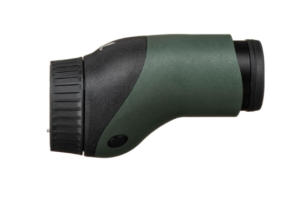
The SWAROVSKI OPTIK ATX Spotting Scope Modular Zoom Eyepiece is the type of optical system designed for birders who are unwilling to compromise on viewing quality. Rather than simply offering high magnification, the ATX focuses on delivering a refined viewing experience where fine details remain visible and colors look natural.
Its modular architecture is one of its biggest advantages. Users can configure the system around different objective modules, giving them the ability to prioritize portability or light-gathering performance. This makes the platform useful for a wide variety of birding environments.
Another advantage is its suitability for prolonged observation. When you are watching a distant bird for several minutes, optical quality, focusing precision, and viewing comfort become increasingly important. The ATX is particularly well suited to stationary observation, serious wildlife study, and digiscoping applications.
The main drawback is its premium cost. It is considerably more scope than a casual backyard birder needs, but for someone who spends many hours in the field, its optical capabilities can make the investment worthwhile.
Features
- Modular optical architecture
- Premium-quality optics
- Multiple objective configurations
- High-magnification viewing
- Excellent choice for digiscoping
- Designed for demanding outdoor observation
Pros
- Exceptional clarity
- Excellent detail reproduction
- Highly adaptable system
- Premium construction
Cons
- Requires quality support equipment
6. Kowa TSN-88A PROMINAR Pure Fluorite Angled Spotting Scope
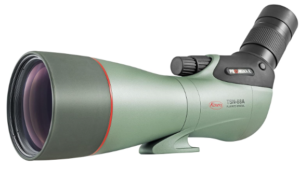
The Kowa TSN-88A PROMINAR Pure Fluorite Angled Spotting Scope is another high-end option aimed at users who demand excellent image quality.
Its 88mm objective gives it plenty of optical capability for viewing distant subjects, while the pure fluorite optical element is particularly important for controlling color fringing. This can help produce cleaner images when observing birds against bright skies or other high-contrast backgrounds.
The scope is particularly attractive for birders who spend time identifying distant species. When plumage markings, eye stripes, wing patterns, or subtle coloration are important, superior optical correction can make the difference between a recognizable bird and an uncertain identification.
Its angled configuration is also convenient for tripod-mounted observation, particularly when several people of different heights are sharing the scope.
Features
- 88mm objective
- Pure fluorite optical element
- Angled configuration
- High-resolution viewing
- Broad zoom capability with compatible eyepieces
- Built for demanding outdoor use
Pros
- Excellent color correction
- Superb resolution
- Strong low-light capability
- Excellent for distant subjects
Cons
- Expensive
7. Celestron Regal M2 80ED Spotting Scope
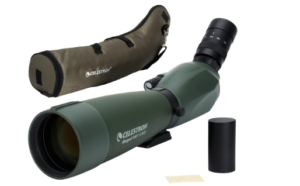
The Celestron Regal M2 80ED Spotting Scope occupies an appealing position between high-end optical systems and inexpensive starter scopes.
Its 80mm objective offers a good compromise between light gathering and physical size. The ED glass is designed to reduce chromatic aberration, helping maintain a cleaner image when observing high-contrast subjects.
One of its most useful characteristics for birders is the focusing arrangement. Finding a small bird through a spotting scope can sometimes be challenging, especially when vegetation surrounds the subject. A responsive focusing system helps you acquire the bird before making more precise adjustments.
The Regal M2 is therefore a strong choice for enthusiasts who want to take bird watching seriously but do not want to immediately jump to the cost of a flagship Swarovski or Kowa system.
Features
- 80mm ED objective
- High-quality optical coatings
- Dual-focus mechanism
- 20-60x zoom configuration
- Weather-resistant construction
- Suitable for nature and wildlife observation
Pros
- Strong optical performance
- Excellent versatility
- Good balance of size and capability
- Suitable for serious birding
Cons
- Tripod is necessary for best results
Factors to Consider When Choosing the 7 Best Spotting Scopes for Wildlife Viewing
Viewing Distance
Consider how far away you typically observe wildlife. Animals in open plains, mountains, forests, and large parks may be hundreds of yards away, so a scope with sufficient magnification can help you examine them without getting closer.
For long-distance wildlife viewing, a versatile zoom range is generally more useful than simply choosing the scope with the highest possible magnification.
Objective Lens
The objective lens determines how much light the spotting scope can collect. Larger objectives, such as 80mm, 85mm, and 88mm, can provide a brighter image when observing wildlife in dim conditions.
If you frequently watch animals at dawn, dusk, or under cloudy skies, a larger objective can be particularly beneficial. Smaller objectives, however, are easier to carry.
Low-Light Performance
Wildlife is often most active during the early morning and late afternoon, when lighting conditions are not ideal. A scope that performs well in low light can help you see animals and identify important details for longer periods. Look for quality optical glass, effective coatings, and an objective size appropriate for your viewing conditions.
Magnification
Wildlife can appear at dramatically different distances, so having a useful zoom range can be a major advantage. Lower magnification helps you locate an animal and maintain a wider field of view, while higher magnification lets you examine distant subjects more closely. A versatile range such as 20-60x can therefore be useful for many wildlife-viewing situations.
Field of View
A wide field of view makes it easier to locate moving animals. This is especially important when watching herds, birds in flight, or animals moving through open terrain. Remember that field of view normally becomes narrower as magnification increases. A good wildlife scope should provide a practical balance between magnification and viewing area.
Durability
Wildlife observation often takes place in demanding outdoor environments. Your spotting scope may encounter rain, dust, humidity, mud, or sudden temperature changes. Waterproof and fogproof construction can help protect the internal optics, while a durable exterior can make the scope better suited to repeated field use.
Weight
A large spotting scope can provide excellent optical performance, but carrying it across long distances can become tiring. If you primarily observe wildlife from a vehicle or fixed location, a larger 80mm-plus scope may be worthwhile. For hiking, trekking, or safari trips where equipment must be carried frequently, a lighter 60-65mm model may be more practical.
Also Read:
Best Spotting Scopes For Bird Watching
FAQs of the 7 Best Spotting Scopes for Wildlife Viewing
- What is the best spotting scope for serious bird watching?
The SWAROVSKI OPTIK ATX Spotting Scope Modular Zoom Eyepiece is the strongest overall choice from this list for serious birders who prioritize optical performance and versatility.
- Is a spotting scope useful for wildlife watching?
Yes. Spotting scopes are particularly useful for observing animals at considerable distances without approaching them. They are excellent for open-country wildlife, waterfowl, raptors, and other distant subjects.
- Should I buy an angled spotting scope?
An angled scope is an excellent choice for many birders. It can provide comfortable viewing from a tripod and makes it easier for people of different heights to share the same setup.
- Is 60x magnification enough for bird watching?
For most situations, yes. A 20-60x scope provides a very useful range. You can use lower magnification to locate a bird and then increase the power when you need additional detail.
Conclusion
the 7 Best Spotting Scopes for Wildlife Viewing can transform the way you experience birding by revealing details that are simply impossible to appreciate from a distance with the naked eye. The seven models above cover a wide range of needs, from premium optical systems designed for demanding observers to affordable choices for people just getting started.
Ultimately, the 7 Best Spotting Scopes for Wildlife Viewing is not necessarily the most expensive or the one with the highest magnification. It is the model that provides the optical performance you need while remaining comfortable enough to carry, mount, and use regularly. Choose according to your birding environment, typical viewing distance, lighting conditions, and budget, and your spotting scope can become a valuable companion for years of wildlife observation.