Choosing the 7 Best Canon Cameras can make a significant difference in the quality, flexibility, and enjoyment of your photography. Canon offers mirrorless cameras for virtually every type of photographer, from beginners looking for a compact first interchangeable-lens camera to professionals who need exceptional autofocus, high resolution, fast burst shooting, and advanced video capabilities.
The 7 Best Canon Cameras in this guide cover a wide range of needs and budgets. The Canon EOS R5 Mark II is designed for photographers who want outstanding resolution and hybrid performance, while the EOS R6 Mark II provides an excellent balance of speed, image quality, and low-light capability. The EOS R3 focuses heavily on professional action photography, and the EOS R7 is particularly attractive for wildlife and bird photography.
For photographers who want something smaller or more affordable, the EOS R8, EOS R10, and EOS R50 provide different entry points into Canon’s mirrorless system. Whether you’re photographing wildlife, portraits, landscapes, travel, family events, or creating video content, there is a camera on this list that can match your requirements.
7 Best Canon Cameras
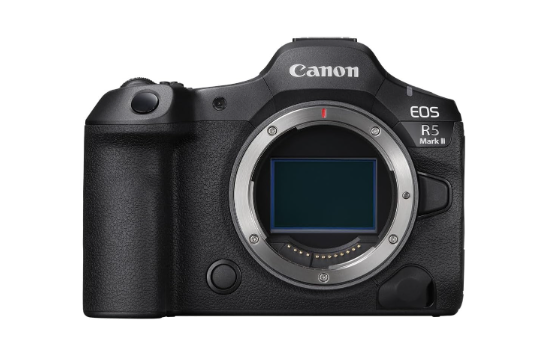
1. Canon EOS R5 Mark II Body
The Canon EOS R5 Mark II takes the top position because it offers an impressive combination of high-resolution photography, fast operation, sophisticated subject detection, and advanced video performance. It is designed for photographers who want one camera capable of handling demanding professional assignments without being restricted to a single type of photography.
Its high-resolution full-frame sensor is especially useful for landscapes, portraits, commercial photography, studio work, and situations where substantial cropping may be required. At the same time, its fast performance makes it much more versatile than a traditional high-resolution camera.
For hybrid creators, the R5 Mark II is also an appealing option because it isn’t simply a stills-oriented camera. Its extensive video capabilities make it suitable for photographers who regularly move between photography and filmmaking.
Another advantage is the flexibility of Canon’s RF lens system. Depending on the assignment, the camera can be paired with wide-angle lenses for landscapes, fast primes for portraits, or telephoto lenses for wildlife and sports.
Features
- Full-frame high-resolution sensor
- Advanced subject-detection autofocus
- High-speed continuous shooting
- Extensive video capabilities
- Electronic viewfinder
- Canon RF lens compatibility
- Designed for demanding hybrid workflows
Pros
- Exceptional image detail
- Excellent autofocus performance
- Highly capable for both photos and video
- Very versatile professional body
Cons
- May be more camera than beginners need
2. Canon EOS R6 Mark II Mirrorless Camera
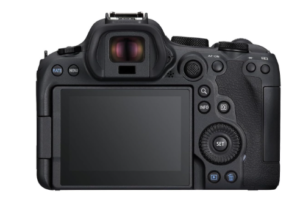
The Canon EOS R6 Mark II is one of the most balanced cameras in this lineup. Rather than concentrating primarily on extremely high resolution, Canon designed it around speed, responsiveness, autofocus performance, and strong full-frame image quality.
This makes it particularly attractive for photographers who frequently work with moving subjects. Weddings, events, family photography, sports, portraits, and street photography can all benefit from its responsive operation and autofocus capabilities.
Its full-frame sensor also makes it a strong choice when shooting in challenging lighting. Photographers working indoors, during evening events, or in other low-light situations can benefit from the larger sensor format and ability to pair the camera with fast RF lenses.
The R6 Mark II is also a strong hybrid camera. Its video capabilities make it suitable for creators who don’t want to purchase separate equipment for still photography and video.
Features
- Full-frame image sensor
- Fast continuous shooting
- Advanced subject tracking
- Strong low-light performance
- High-quality video recording
- Electronic viewfinder
- Canon RF lens mount
Pros
- Excellent all-around performance
- Strong autofocus
- Very good low-light capability
- Great for photos and video
Cons
- Premium price compared with entry-level Canon bodies
3. Canon EOS R3 Mirrorless Camera
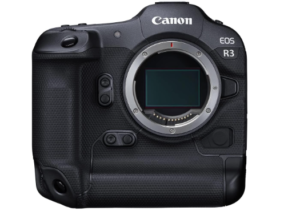
The Canon EOS R3 is aimed at photographers who need speed, responsiveness, durability, and dependable autofocus when photographing fast-moving subjects. It is particularly well suited to professional sports, wildlife, action, and photojournalism.
Instead of chasing the highest possible resolution, the R3 focuses on delivering a fast and responsive shooting experience. That makes it easier to follow unpredictable subjects and capture decisive moments.
Its professional-oriented design also makes it appropriate for photographers who spend long periods working in demanding environments. The combination of rugged construction, sophisticated autofocus, rapid shooting, and a full-frame sensor makes it a specialized tool for action photography.
Wildlife photographers can also take advantage of its autofocus capabilities when photographing birds or animals that move unpredictably. Paired with an appropriate telephoto lens, the camera becomes a powerful professional wildlife setup.
Features
- Full-frame sensor
- Professional-grade construction
- High-speed continuous shooting
- Advanced subject recognition
- Sophisticated autofocus system
- High-quality electronic viewfinder
- Extensive video features
Pros
- Excellent for fast-moving subjects
- Professional handling
- Strong autofocus performance
- Built for demanding assignments
Cons
- Lower resolution than the R5 Mark II
4. Canon EOS R7 Mirrorless Camera
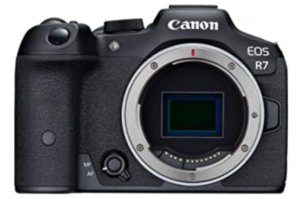
The Canon EOS R7 is one of the most attractive choices for wildlife and bird photographers who want a relatively compact camera with plenty of reach. Its APS-C sensor gives compatible telephoto lenses a narrower field of view compared with full-frame cameras, which can be useful when photographing distant subjects.
This makes the R7 especially interesting for bird photography. Small birds can be difficult to fill the frame with, particularly when they are far away. The camera’s sensor format can help photographers get more apparent reach from their lenses.
The R7 is not limited to wildlife, however. Its speed and autofocus make it suitable for sports, pets, outdoor adventures, travel, and family photography. It offers considerably more performance than a basic entry-level camera while remaining smaller than many professional full-frame bodies.
For photographers who spend a lot of time outdoors, its combination of resolution, autofocus, speed, and portability makes it a particularly versatile APS-C option.
Features
- APS-C sensor
- High-resolution image capture
- Fast continuous shooting
- Subject-detection autofocus
- Canon RF-S/RF lens compatibility
- Compact mirrorless design
- Strong video capabilities
Pros
- Excellent for wildlife
- Useful extra reach with telephoto lenses
- High resolution
- Strong autofocus
Cons
- Has APS-C rather than full frame
5. Canon EOS R8 Mirrorless Camera Body
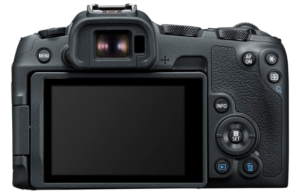
The Canon EOS R8 provides a relatively lightweight way to enter Canon’s full-frame mirrorless system. It is particularly appealing to photographers who want the benefits of a full-frame sensor without carrying one of Canon’s larger professional bodies.
The camera works well for portraits because full-frame imaging combined with suitable lenses can provide attractive subject separation. It is also a strong travel option because its compact design can make it easier to carry throughout a full day of sightseeing.
Street photographers and enthusiasts may also appreciate its relatively straightforward handling and full-frame image quality. For someone moving up from an APS-C camera, the R8 can provide a noticeable upgrade in sensor format while retaining a relatively portable body.
It is not intended to replace Canon’s professional flagship models, but that’s precisely why it can be attractive. Photographers who don’t require the extensive controls and ruggedness of higher-end bodies can save weight and money.
Features
- Full-frame sensor
- Compact mirrorless body
- Advanced autofocus
- Strong still-image performance
- Capable video system
- Canon RF lens compatibility
- Lightweight design
Pros
- Lightweight full-frame option
- Good image quality
- Excellent for travel and portraits
- Strong autofocus
Cons
- Fewer professional-oriented controls
6. Canon EOS R10
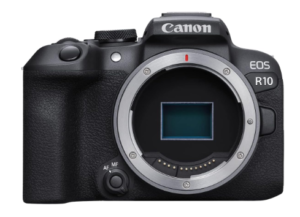
The Canon EOS R10 is a versatile APS-C mirrorless camera aimed at beginners and enthusiasts who want considerably more control and performance than a basic compact camera or smartphone can provide.
One of its biggest strengths is versatility. It can be used for family photography, travel, portraits, pets, sports, and everyday shooting. Its smaller sensor and compact body also make it easier to carry than many full-frame alternatives.
For new photographers, the R10 provides an approachable way to learn interchangeable-lens photography. Users can begin with a general-purpose lens and later add specialized lenses for portraits, landscapes, wildlife, or other interests.
Its autofocus and burst performance also give it enough capability to handle moving subjects. That means the camera can remain useful as a photographer’s skills develop rather than being limited to basic photography.
Features
- APS-C sensor
- Fast autofocus
- Rapid continuous shooting
- Compact mirrorless design
- Canon RF/RF-S lens compatibility
- 4K video capabilities
- Beginner-friendly controls
Pros
- Great balance of size and performance
- Good autofocus
- Versatile for everyday photography
- Excellent choice for enthusiasts
Cons
- Smaller body may be less suitable for very large lenses
7. Canon EOS R50 Mirrorless Camera with 18-45mm Lens
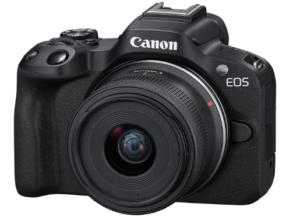
The Canon EOS R50 with 18-45mm lens is the most beginner-friendly complete package on this list. Including a versatile kit lens makes it particularly convenient for someone buying their first interchangeable-lens camera.
The compact body is easy to carry, making it a natural fit for travel, family photography, casual portraits, and everyday shooting. Someone upgrading from a smartphone may also find its controls and interchangeable-lens system a useful introduction to more advanced photography.
The included 18-45mm lens provides a practical range for common subjects. It can handle general scenes, people, travel photographs, and casual video without requiring the user to immediately purchase another lens.
The R50 is not intended to compete directly with Canon’s professional cameras. Instead, its appeal comes from accessibility, portability, and ease of use. For a first camera, these characteristics can be just as important as advanced specifications.
Features
- APS-C sensor
- Compact and lightweight body
- 18-45mm kit lens included
- Subject-detection autofocus
- Interchangeable-lens design
- Strong video capabilities
- Beginner-friendly operation
Pros
- Excellent starter camera
- Compact and lightweight
- Comes with a useful kit lens
- Easy to carry for travel
Cons
- Less advanced than higher-end models
Factors to Consider When Buying the 7 Best Canon Cameras
Sensor Size
Sensor size has an important effect on image quality, low-light performance, depth of field, and lens behavior. The full-frame models in this list are generally more appealing to photographers who prioritize low-light shooting, portraits, and professional image quality, while APS-C cameras can provide a useful combination of portability and reach. Consider this when choosing the 7 Best Canon Cameras.
Photography Style
Think about what you photograph most often. Wildlife and sports photographers may benefit more from speed and autofocus than from extremely high resolution. Landscape and commercial photographers may place greater importance on resolution and dynamic range.
Autofocus Performance
Modern autofocus is particularly important when photographing people, animals, birds, sports, or other moving subjects. Look for a camera that can recognize and track your primary subjects reliably.
Video Requirements
If you’re creating YouTube videos, social media content, documentaries, or professional productions, examine the camera’s video resolution, frame rates, autofocus, stabilization, recording options, and heat management.
Lens Selection
A camera body is only part of a photography system. Before purchasing, consider the Canon RF and RF-S lenses you may eventually need. A less expensive body paired with an excellent lens can often be a better long-term investment than buying the most expensive body and compromising on lenses.
Size and Weight
A camera that stays at home because it is too heavy isn’t particularly useful. Travelers and casual photographers may prefer the R50, R10, or R8, while professional photographers may be comfortable carrying a larger R3 or R5 Mark II.
Budget
Set a realistic budget that includes more than the camera body. Batteries, memory cards, lenses, bags, tripods, and other accessories can add substantially to the total cost.
Read Also:
Best Spotting Scopes for Wildlife Viewing
FAQs of the 7 Best Canon Cameras
- Which Canon camera is best overall?
The Canon EOS R5 Mark II is the strongest overall option in this group because it combines high-resolution photography, fast performance, advanced autofocus, and extensive video capabilities. It is particularly suitable for photographers who need one camera for several professional applications.
- Is the Canon EOS R6 Mark II good for beginners?
Yes, but it may be more camera than a beginner needs. Its full-frame sensor, autofocus system, speed, and video features make it a camera that a new photographer can grow into, although the R10 or R50 may make more sense for someone working with a smaller budget.
- Which Canon camera is best for wildlife photography?
The Canon EOS R7 is an especially strong choice for wildlife and bird photography. Its APS-C sensor can provide useful apparent reach with telephoto lenses, while its autofocus and shooting speed are well suited to moving subjects.
- Is the Canon EOS R8 good for travel photography?
Yes. The R8’s relatively compact full-frame design makes it an attractive option for travelers who want full-frame image quality without carrying a larger professional camera body.
Conclusion
The 7 Best Canon Cameras isn’t necessarily the most expensive model. The right choice depends on how you photograph, the lenses you plan to use, how much you are willing to carry, and whether your priorities are resolution, speed, autofocus, video, portability, or value. Each camera in this lineup occupies a different position, giving photographers several ways to enter or expand within Canon’s mirrorless ecosystem. A camera that fits your shooting style will usually provide much more value than one that simply has the highest specifications.