Are you looking for the 7 Best Canon Mirrorless Cameras for Beginners? you are at the right place. Canon’s mirrorless lineup gives photographers a wide range of options, from compact entry-level cameras to sophisticated professional bodies.
The challenge is deciding which model offers the right combination of resolution, autofocus, speed, video capability, portability, and overall usability for your particular style of photography.
The cameras in this guide cover several different categories. The Canon EOS R5 Mark II is designed for photographers who need high resolution and professional-level versatility, while the EOS R6 Mark II emphasizes speed and balanced full-frame performance.
The 7 Best Canon Mirrorless Cameras for Beginners provide progressively more accessible options for enthusiasts and beginners. Canon’s official specifications confirm that these models span both full-frame and APS-C formats and share the RF-mount ecosystem
7 Best Canon Mirrorless Cameras for Beginners
1. Canon EOS R3 Mirrorless Camera
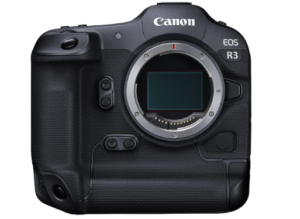
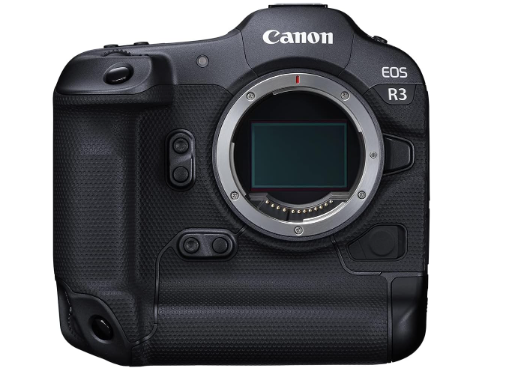
The Canon EOS R3 Mirrorless Camera is a different kind of professional camera. Instead of emphasizing maximum resolution, it is designed around speed, responsiveness, and the ability to capture fast-moving subjects.
That makes it particularly attractive to sports photographers. When an athlete is moving rapidly across the frame, the ability to maintain focus and shoot at high speed can be more important than having an extremely high-resolution sensor.
Wildlife photographers can also benefit from the R3’s action-oriented design. Birds in flight, running animals, and unpredictable subjects require a camera that can respond quickly when a moment suddenly develops.
Canon positions the R3 within its professional EOS R system as a camera for sports, news, and wildlife, with a 24.1MP full-frame sensor and high-speed electronic shooting capabilities.
Features
- 24.1MP full-frame sensor
- Professional body design
- Very fast electronic shooting
- Advanced autofocus
- In-body stabilization
- High-end video functionality
Pros
- Excellent for action
- Professional handling
- Fast and responsive
- Strong subject tracking
Cons
- Less resolution than the R5 Mark II
2. Canon EOS R7 Mirrorless Camera
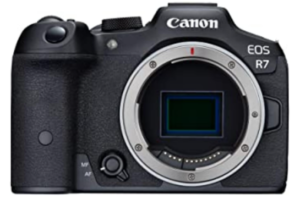
The Canon EOS R7 Mirrorless Camera is one of the most compelling choices here for photographers who regularly use telephoto lenses. Its 32.5-megapixel APS-C sensor provides a useful combination of resolution and apparent reach, making it particularly interesting for wildlife and bird photography. Canon specifically highlights the R7’s suitability for landscapes, sports, and birds in flight.
For bird photographers, the APS-C format can be advantageous because distant subjects can occupy more of the frame when using the same lens compared with a full-frame setup. This can be useful when photographing small birds that are difficult to approach.
The R7 is also much more versatile than a specialist wildlife camera. It can handle family photography, travel, outdoor activities, sports, and everyday shooting. Its combination of speed and resolution gives enthusiasts considerable room to develop their photography.
Features
- 32.5MP APS-C CMOS sensor
- High-speed electronic shutter
- Dual UHS-II memory card slots
- 4K video
- Advanced autofocus
- RF/RF-S lens compatibility
Pros
- Excellent wildlife platform
- High resolution
- Useful telephoto reach
- Strong autofocus
Cons
- Large telephoto lenses can still make the setup substantial
3. Canon EOS R8 Mirrorless Camera Body
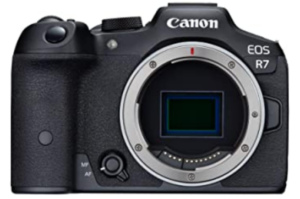
The Canon EOS R8 Mirrorless Camera Body is a particularly interesting choice for photographers who want full-frame imaging without moving to a larger professional body.
Its 24.2-megapixel full-frame sensor gives it a strong foundation for portraits, travel, street photography, and general-purpose shooting. Canon also lists 4K video recording and Dual Pixel CMOS AF II among its capabilities.
The R8 makes sense for someone who wants to upgrade from an APS-C camera but doesn’t necessarily need the extensive professional features of the R5 Mark II or R3.
Its smaller form factor can also be useful for travel. When you’re walking around a city or spending an entire day exploring a destination, a lighter camera can be considerably more convenient.
Features
- 24.2MP full-frame sensor
- Dual Pixel CMOS AF II
- Uncropped 4K video
- Compact mirrorless body
- RF lens mount
- Full-frame image quality
Pros
- Lightweight full-frame option
- Strong image quality
- Excellent travel camera
- Good autofocus
Cons
- Fewer professional controls
4. Canon EOS R10
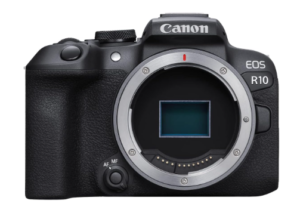
The Canon EOS R10 is a great middle ground for photographers who have outgrown basic cameras but don’t necessarily need a professional full-frame model.
Its 24.2MP APS-C sensor provides enough resolution for everyday photography, while the camera’s autofocus and burst capabilities make it capable of handling moving subjects. Canon lists Dual Pixel CMOS AF II, 4K video, and electronic shooting up to approximately 23 fps among its specifications.
The R10 is especially useful as a learning platform. A new photographer can start with a standard zoom, learn manual exposure and composition, and eventually add dedicated lenses for portraits, landscapes, sports, or wildlife.
Its relatively compact size also makes it a good travel companion. It can provide substantially more creative control than a smartphone while remaining easier to carry than many professional cameras.
Features
- 24.2MP APS-C sensor
- Dual Pixel CMOS AF II
- Up to approximately 23 fps electronic shooting
- 4K video
- RF/RF-S lens compatibility
- Compact body
Pros
- Excellent enthusiast camera
- Good autofocus
- Compact
- Versatile
Cons
- Not full frame
5. Canon EOS R50 Mirrorless Camera with 18-45mm Lens
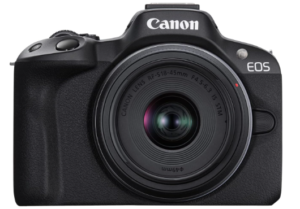
The Canon EOS R50 Mirrorless Camera with 18-45mm Lens is the most approachable option in this group. It combines a compact APS-C camera body with an everyday zoom lens, creating a practical package for someone buying their first mirrorless camera.
Canon specifies a 24.2MP APS-C sensor and Dual Pixel CMOS AF II, while its EOS R system information highlights uncropped 4K video at up to 30 fps oversampled from 6K.
The included 18-45mm lens is useful because beginners can start taking photographs immediately without having to understand the entire Canon lens lineup first.
For travel, family photos, casual portraits, social media content, and everyday video, the R50 can be a very practical choice. Its compact design is also less intimidating for someone transitioning from a smartphone.
Features
- 24.2MP APS-C sensor
- Dual Pixel CMOS AF II
- 18-45mm kit lens
- Compact design
- 4K video
- RF lens mount
Pros
- Beginner-friendly
- Compact and lightweight
- Useful kit lens
- Good autofocus
Cons
- Less advanced than the other cameras
6. Canon EOS R5 Mark II Body
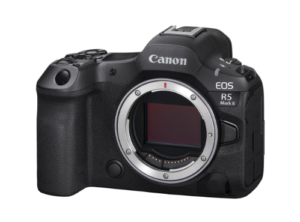
The Canon EOS R5 Mark II Body is the most complete camera in this selection for photographers who want high-end performance across several disciplines. Its approximately 45-megapixel full-frame stacked CMOS sensor gives photographers plenty of resolution for detailed images, cropping, large prints, and demanding commercial applications.
One of the biggest advantages of the R5 Mark II is its ability to combine resolution with speed. This makes it considerably more versatile than cameras designed solely around studio or landscape photography. A photographer can use it for portraits in the morning, wildlife in the afternoon, and video production later without needing to change camera systems.
Autofocus is another major strength. Canon provides extensive subject-detection capabilities, including people, animals, birds, and various vehicles. This makes the camera particularly attractive to hybrid photographers who need reliable tracking across different types of subjects.
Features
- Approximately 45MP full-frame stacked CMOS sensor
- Advanced subject detection
- High-speed shooting capabilities
- Professional-level video features
- Canon RF lens mount
- Dual-card storage
Pros
- Exceptional resolution
- Excellent versatility
- Advanced autofocus
- Strong hybrid performance
Cons
- Premium price
7. Canon EOS R6 Mark II Mirrorless Camera
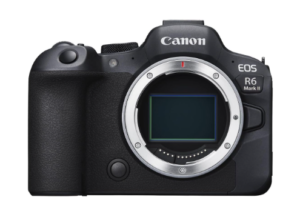
The Canon EOS R6 Mark II Mirrorless Camera takes second place because it offers a particularly attractive balance between image quality, speed, autofocus, and usability. Its 24.2-megapixel full-frame sensor isn’t designed to compete directly with the R5 Mark II in resolution, but that isn’t necessarily a disadvantage for many photographers.
For wedding and event photographers, the R6 Mark II can be a particularly sensible choice. These photographers often need dependable autofocus, good performance in changing light, rapid shooting, and manageable file sizes rather than extremely large image files.
The camera also makes an excellent portrait platform. Pair it with a suitable fast RF lens and it can produce attractive subject separation while giving photographers plenty of control over perspective and depth of field.
Canon also equips the R6 Mark II with substantial video capabilities, making it an appealing option for creators who photograph and record video as part of the same assignment. Canon lists features including uncropped 4K recording and in-body image stabilization.
Features
- 24.2MP full-frame CMOS sensor
- Dual SD card slots
- Fast continuous shooting
- Advanced autofocus
- In-body image stabilization
- Strong 4K video capabilities
Pros
- Excellent all-rounder
- Great low-light potential
- Strong autofocus
- Very capable for video
Cons
- Not as specialized for extreme professional action as the R3
Factors to Consider Before Buying the 7 Best Canon Mirrorless Cameras for Beginners
Image Resolution
Consider how much detail you need from your photographs. Higher resolution can be useful for large prints, commercial photography, landscapes, and cropping distant subjects. If you mainly share photos online, you may not need the highest resolution available.
Autofocus and Subject Tracking
A reliable autofocus system is important when photographing people, pets, birds, wildlife, or sports. Look for a camera that can recognize and follow your subjects accurately, particularly if your photography involves unpredictable movement.
Continuous Shooting Speed
If you frequently photograph action, shooting speed should be high on your list. Faster burst rates give you more opportunities to capture the ideal moment, making this feature especially valuable for sports, wildlife, birds, and events.
Low-Light Capability
Photographers who regularly work indoors, at concerts, during weddings, or around sunrise and sunset should pay close attention to low-light performance. A larger sensor and suitable fast lens can help produce cleaner images when there isn’t much available light.
Video Performance
If you plan to create YouTube videos, travel footage, interviews, or social media content, examine the camera’s video specifications carefully. Resolution, frame rates, autofocus, stabilization, recording limits, and audio connectivity can all influence the overall video experience.
Image Stabilization
Image stabilization can be valuable when shooting handheld, particularly with slower shutter speeds or longer lenses. It can help reduce camera shake and make it easier to capture sharp images in challenging conditions.
Camera Ergonomics
A camera should feel comfortable in your hands. Pay attention to the grip, button placement, control dials, viewfinder, touchscreen, and overall handling. Professional photographers who shoot for several hours may value ergonomics more than someone who takes occasional vacation photographs.
Battery Life
Battery performance becomes especially important for travel, wildlife, weddings, and outdoor photography where charging opportunities may be limited. If you regularly spend an entire day shooting, consider purchasing additional batteries or a suitable charging solution.
Long-Term Value
Think beyond your immediate purchase. A camera that gives you access to a broad selection of lenses and accessories can remain useful as your photography develops. Choosing a model that matches your future interests can help you avoid upgrading unnecessarily soon.
Read Also:
FAQs of the 7 Best Canon Mirrorless Cameras for Beginners
- Which Canon camera has the highest resolution on this list?
The EOS R5 Mark II has approximately 45 megapixels, making it the highest-resolution camera in this seven-camera selection.
- Which Canon camera is best for wildlife?
The EOS R7 and EOS R3 are both strong wildlife options, but they approach wildlife photography differently. The R7’s APS-C sensor is particularly attractive for telephoto reach, while the R3 is designed for professional speed and demanding action photography.
- Is the R5 Mark II worth choosing over the R6 Mark II?
It depends on your priorities. Choose the R5 Mark II if you need higher resolution and broader professional capabilities. The R6 Mark II can make more sense if you prioritize speed, low-light work, manageable file sizes, and overall value.
- Is the R7 better than the R10 for wildlife?
For dedicated wildlife photographers, the R7 generally offers more specialized advantages, particularly its higher resolution and more advanced feature set. The R10 is better suited to photographers who want a versatile everyday camera that can also handle wildlife.
Conclusion
The 7 Best Canon Mirrorless Cameras for Beginners has become broad enough that photographers no longer have to choose between a basic beginner camera and an expensive professional body. There are meaningful choices at different levels, allowing you to select a camera based on your actual shooting requirements. Your lenses, shooting style, experience, and willingness to carry the equipment will ultimately have just as much impact on your results as the camera body itself.